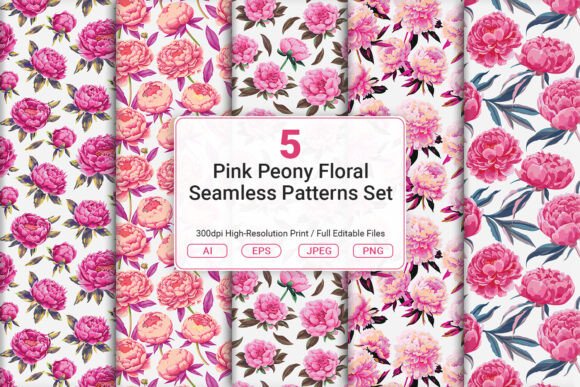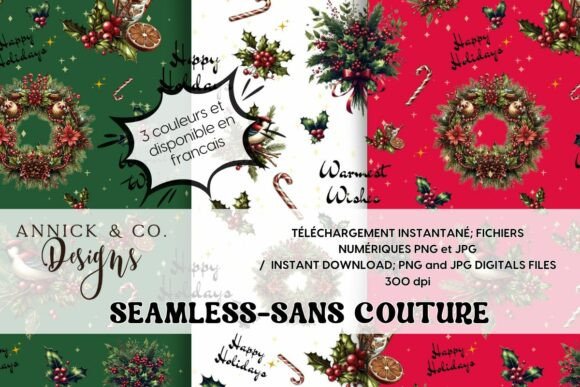
Floral Vector Seamless Patterns: A Comprehensive Guide for Designers
In the world of graphic design, few elements are as versatile or enduring as floral vector seamless patterns. These intricate designs serve as the backbone for countless creative projects, ranging from high-end textile manufacturing to digital wallpapers and bespoke packaging. Unlike static images that lose clarity when enlarged, a vector-based approach ensures that every petal, leaf, and stem remains crisp regardless of the scale. This article explores what makes these patterns distinct, how they compare to other design resources, and helps you determine if this specific style is the right fit for your next project.
Understanding the Distinct Nature of Floral Vector Seamless Patterns
The core value of a floral vector seamless pattern lies in its mathematical precision and infinite scalability. When a designer selects a product described as a floral vector seamless pattern, they are accessing a file constructed from geometric paths rather than pixels. This distinction is critical for professionals who require their work to be reproducible across various mediums without degradation.
What sets these patterns apart from standard raster illustrations is the "seamless" nature of the tile. A well-crafted seamless pattern repeats perfectly in all directions, creating an endless field of design. This allows for applications where the background must cover large surfaces, such as fabric rolls or wall coverings, without visible breaks or awkward edges. The unique hand-drawn aesthetic often associated with high-quality vector files adds a layer of organic charm that automated tools struggle to replicate. By utilizing a hand-drawn workflow, typically created on a graphic tablet within software like Adobe Illustrator, the resulting image retains the subtle imperfections and fluidity of human artistry while maintaining the technical benefits of vector graphics.
Format Flexibility: AI, EPS, and High-Resolution JPG
One of the primary advantages of modern floral vector assets is the variety of formats provided. A comprehensive package usually includes native vector formats such as AI (Adobe Illustrator) and EPS 10. These formats are essential for designers who need to edit the artwork further, change colors to match brand guidelines, or adjust the layout of individual elements. Because the data is stored as vectors, there is no loss of quality during resizing, making them ideal for everything from business cards to billboards.
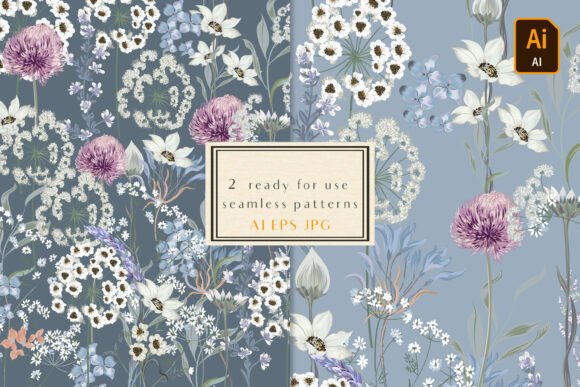
However, not every user works exclusively with vector software. Recognizing this, many providers also include high-resolution JPG previews. For instance, a download might feature two JPG versions at 5000x5000 pixels with a resolution of 450 DPI. This level of detail is sufficient for high-quality printing and web display, allowing users who do not have access to vector editing tools to still utilize the visual asset effectively. This dual-format approach bridges the gap between professional design workflows and quick-turnaround projects.
Comparing Approaches: Hand-Drawn Vectors vs. Digital Automation
When evaluating design resources, it is important to distinguish between truly hand-drawn illustrations and those generated by algorithms or traced from existing photos. Many marketplaces offer "vectors," but the creation method significantly impacts the final result. A genuine floral vector seamless pattern created via direct drawing on a tablet offers a level of nuance that tracing or auto-tracing often lacks.
| Feature | Hand-Drawn Vector | Auto-Traced/Generated |
|---|---|---|
| Line Quality | Organic, varied stroke weight, natural flow | Often uniform, rigid, or inconsistent |
| Detail Level | High, with intentional artistic choices | Can appear cluttered or overly simplified |
| Uniqueness | Distinctive, low risk of duplication | Higher risk of appearing generic |
| Editability | Full control over anchor points and curves | Might contain excessive unnecessary nodes |
For projects aiming to convey a sense of romance, vintage elegance, or bohemian vibrancy, the hand-drawn approach is superior. The lines in a hand-drawn vector carry the energy of the artist's hand, which translates into a more engaging visual experience. In contrast, automatically generated patterns can sometimes feel sterile or repetitive in a way that detracts from the emotional impact of the design.
Evaluating Use Cases and Industry Applications
The versatility of floral vector seamless patterns makes them applicable across a broad spectrum of industries. Understanding where these patterns excel can help you decide if they align with your specific goals.
- Textiles and Fashion: The seamless nature of the pattern is crucial here. Whether designing a summer dress or an autumn scarf, the ability to tile the pattern endlessly without seams ensures a professional finish. The vibrant spirit of summer and autumn themes found in these designs allows for seasonal collections that feel cohesive yet fresh.
- Packaging and Stationery: For brands looking to add a touch of sophistication, a hand-drawn floral print offers an artisanal feel that mass-produced graphics lack. It is particularly effective for eco-friendly packaging, wedding invitations, and scrapbooking materials where texture and detail matter.
- Digital Backgrounds: In the realm of web design and mobile interfaces, these patterns provide depth without overwhelming the content. High-resolution JPG versions ensure that backgrounds look sharp on Retina displays and modern screens.
- Interior Decor: Wallpaper and home decor items benefit immensely from the scalability of vector art. A pattern designed for a small label can be expanded to cover an entire wall without pixelation or blurring.
Tradeoffs and Limitations to Consider
While floral vector seamless patterns offer significant advantages, they are not a universal solution for every design challenge. It is vital to weigh the tradeoffs before committing to a purchase or integration.
Software Requirements: To fully leverage the potential of AI and EPS files, you must have access to compatible vector software. If your workflow relies solely on raster-based programs like Photoshop or free online editors that do not support complex vector manipulation, the utility of the native files may be limited. In such cases, relying on the included high-resolution JPGs becomes necessary, which restricts your ability to alter colors or isolate specific floral elements.
File Complexity: Highly detailed, hand-drawn patterns can result in larger file sizes compared to simple geometric shapes. While modern computers handle this easily, it can slow down performance if you are working on older hardware or integrating the pattern into a lightweight web application. Additionally, the complexity of the path data might make it difficult for less experienced users to edit without accidentally distorting the delicate lines.
Licensing and Usage Rights: As with any digital asset, the scope of use varies. Some products are intended for personal projects only, while others allow for commercial use. It is essential to review the terms carefully. Furthermore, note that mockups are often excluded from the download. While mockups are helpful for visualization, they are not part of the actual asset, meaning you will need to create your own presentation visuals or source them separately.
Decision Factors: When to Choose This Option
Deciding whether to incorporate a floral vector seamless pattern into your workflow depends on several key factors. If your project requires high fidelity, scalability, and a unique artistic voice, this option is likely the best choice. Specifically, you should choose a hand-drawn vector approach when:
- You need print-ready assets: The combination of vector formats and high-DPI JPGs ensures that your design looks perfect on both a small tag and a large banner.
- Customization is required: If you plan to recolor the flowers to match a specific brand palette or rearrange the elements, the vector format provides the flexibility that raster images cannot.
- Aesthetic authenticity matters: For projects targeting a boho, vintage, or romantic aesthetic, the organic lines of a hand-drawn illustration convey a warmth that machine-generated patterns often miss.
Conversely, if your project is purely for low-resolution web use where file size is the primary concern, or if you require a completely abstract design that does not benefit from organic lines, simpler alternatives might suffice. However, for the vast majority of creative endeavors involving textiles, branding, and decor, the investment in a high-quality, hand-drawn vector pattern pays dividends in the final output.
Conclusion on Selection and Integration
The landscape of digital design resources is vast, but the specific attributes of a floral vector seamless pattern—hand-drawn authenticity, vector scalability, and versatile formatting—make it a standout choice for serious creators. By understanding the strengths of the hand-drawn process and the practical benefits of multi-format delivery, designers can make informed decisions that enhance their projects. Whether you are creating a vibrant summer collection or a timeless stationery line, these patterns provide the foundational beauty needed to elevate your work.
Ultimately, the decision comes down to the specific needs of your project. If you value quality, adaptability, and a touch of human creativity in your designs, exploring options that offer both AI/EPS flexibility and high-resolution JPG previews is a prudent step. This balanced approach ensures that you have the right tools to bring your vision to life, regardless of the medium.