Light Seamless Patterns with Plants: A Practical Resource for Digital Designers
In the landscape of digital asset creation, few elements are as versatile or as frequently required as seamless patterns. These repeating backgrounds serve as the foundational texture for countless projects, from website headers to product packaging. Light Seamless Patterns with Plants represents a specific subset of these assets that has gained significant traction among professionals and hobbyists alike. By combining botanical motifs with a soft, airy color palette, this collection offers a distinct aesthetic that is both modern and timeless.
The core value of this resource lies in its ability to provide immediate visual structure without overwhelming the content it supports. Unlike heavy, high-contrast textures that demand attention, light plant-based patterns act as subtle enhancers. They create depth and interest while maintaining readability and focus. For designers working on user interfaces, editorial layouts, or branding materials, having access to a reliable library of these vectors can streamline the workflow significantly.
Understanding the Core Characteristics
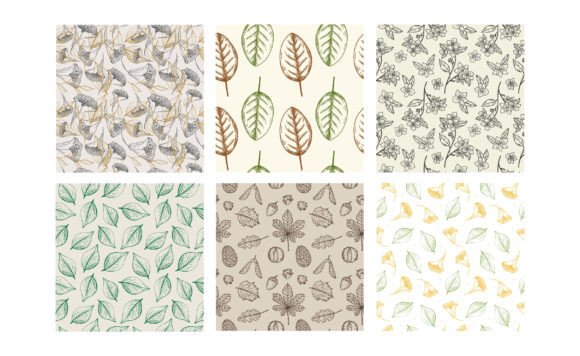
At its heart, Light Seamless Patterns with Plants is defined by its vector nature and its specific botanical theme. The collection features a variety of floral arrangements, leafy fronds, and organic shapes that repeat infinitely without visible seams. This technical capability is crucial; a pattern that shows a hard line where the image repeats looks unprofessional and breaks the immersion of the design.
The "light" aspect of the title refers to the color treatment. These designs typically utilize low-saturation hues, pale greens, soft creams, and muted pastels. This approach ensures that the patterns function effectively as backgrounds. When placed behind text or primary graphical elements, they do not compete for the viewer's eye. Instead, they provide a gentle canvas that elevates the overall composition. The inclusion of plants adds a layer of organic warmth that is often missing in geometric or abstract digital art, making the designs feel more approachable and human-centric.
Another defining characteristic is the file format versatility. The package includes files in AI-10, EPS-10, JPG, SVG, and a consolidated ZIP archive. This diversity addresses the fragmented nature of modern creative workflows. A designer might need an editable vector source for a print project, an SVG for responsive web code, or a rasterized JPG for quick mockups. Having all these formats available in a single download eliminates the need for external conversion tools, which can sometimes degrade quality or introduce artifacts.
Technical Quality and Scalability
One of the primary concerns when evaluating any digital asset is scalability. Vector-based formats like AI-10 and EPS-10 allow for infinite scaling without loss of resolution. This means that a pattern designed for a small mobile screen icon can be expanded to cover a large-format billboard without pixelation or blurring. For agencies managing diverse client needs, this flexibility is non-negotiable.
The precision of the vector paths in Light Seamless Patterns with Plants suggests a high level of craftsmanship. Clean anchor points and organized layers make editing straightforward. If a designer wishes to alter the size of a specific leaf or adjust the spacing between flowers, the vector structure supports these modifications effortlessly. This level of control transforms the asset from a static image into a dynamic component of the design system.
Conversely, the JPG files included in the set offer convenience for quick previewing or use in environments where vector support is limited. While they lack the editability of their vector counterparts, they are optimized for standard web resolutions. The presence of SVG files further bridges the gap, providing lightweight, code-friendly graphics that load quickly on websites. This multi-format approach ensures that the asset remains useful across different platforms and technical constraints.
Practical Applications and Real-World Performance
The utility of Light Seamless Patterns with Plants extends well beyond simple decoration. In professional settings, these patterns serve functional roles in establishing brand identity and guiding user behavior. Consider a lifestyle blog or an e-commerce site focused on wellness products. A background featuring subtle ferns or watercolor-style blossoms can instantly communicate a sense of calm and natural living, aligning the visual language with the brand's message.
For entrepreneurs and small business owners, these assets offer a cost-effective way to elevate their visual presence. Hiring a graphic designer to create custom botanical illustrations can be expensive and time-consuming. Using a pre-made, high-quality pattern allows them to achieve a polished look immediately. Whether creating social media graphics, email newsletters, or presentation decks, the consistency provided by a unified pattern set helps maintain a professional image.
In the realm of education and publishing, these patterns are particularly effective for instructional materials. Text-heavy documents often suffer from visual fatigue. Integrating a light, repeating plant motif into margins or section dividers can break up the text and make the material more engaging for readers. The organic shapes naturally guide the eye through the content, improving readability without distracting from the information being presented.
However, it is important to consider the limitations of such resources. While the patterns are versatile, they may not suit every design brief. Projects requiring bold, high-energy visuals or those targeting a strictly industrial or corporate audience might find the soft, botanical aesthetic too gentle. Additionally, while the vector files are editable, the initial design intent of the creator should be respected. Over-modifying the patterns to the point where they lose their original charm can result in a disjointed final product.
Integration into Creative Workflows
Seamless patterns are most effective when integrated thoughtfully into a larger design system. The key to success lies in layering and opacity management. Designers should avoid using these patterns at 100% opacity over white backgrounds, as this can flatten the image. Instead, reducing the opacity to 10-20% allows the texture to show through subtly, adding richness to the page.
The availability of the ZIP file containing all formats simplifies the asset management process. Professionals who work with multiple team members can easily share the folder, ensuring everyone uses the same high-resolution versions. This consistency prevents the common issue of version control errors, where different team members might use slightly different iterations of a logo or background.
Furthermore, the compatibility with industry-standard software makes this resource accessible to a wide range of users. Adobe Illustrator users can open the AI-10 and EPS-10 files directly. Web developers can extract the SVG code for implementation. Even those working in non-vector software can utilize the JPG files for compositing. This broad compatibility reduces friction and allows creators to focus on the design rather than troubleshooting file compatibility issues.
Evaluating Long-Term Value and Audience Fit
When assessing the long-term value of Light Seamless Patterns with Plants, one must look beyond the immediate visual appeal. Trends in design change rapidly, but botanical themes have a history of enduring popularity. The connection between humans and nature is a constant psychological driver, making plant motifs a safe and effective choice for projects intended to last longer than a fleeting trend.
This collection is particularly well-suited for freelancers and content creators who need to deliver high-quality results quickly. The ability to customize the patterns allows for unique applications that feel bespoke, even though the base asset is shared. Marketers can use these patterns to differentiate campaigns, while educators can enhance learning materials with engaging visuals.
It is also worth noting the importance of the RGB color mode specified for these files. This indicates that the primary target usage is digital display. While many modern printers can handle RGB files, converting them to CMYK for print production may require adjustments to ensure color accuracy. Users planning to use these patterns for physical merchandise, such as fabric printing or stationery, should be aware of this potential step and test their colors before final production.
Ultimately, the decision to use this resource depends on the specific needs of the project. If the goal is to create a clean, modern, and nature-inspired aesthetic, these patterns are an excellent foundation. They provide the necessary structure and visual interest without requiring extensive design effort from scratch. For professionals who value efficiency, quality, and versatility, Light Seamless Patterns with Plants stands out as a practical tool that delivers consistent results across a variety of digital and print applications.
By offering a comprehensive set of formats and a cohesive design language, this collection empowers creators to produce work that feels both intentional and refined. Whether used for a personal portfolio, a commercial campaign, or an educational resource, the underlying principles of good design—clarity, consistency, and purpose—are clearly present in these assets.