Mastering Ethnic Geometric Seamless Patterns for Professional Results
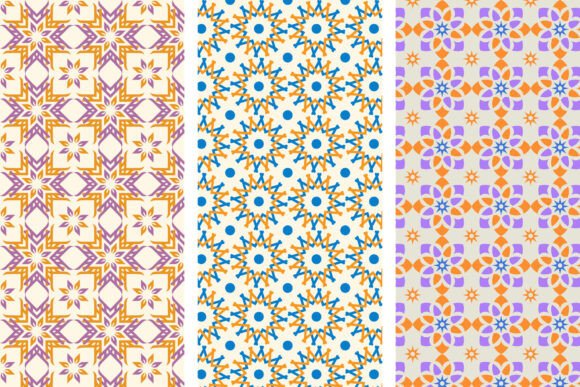
You have likely stumbled upon ethnic geometric seamless patterns while searching for unique textures to elevate your latest project. Whether you are a freelancer designing packaging, a small business owner launching a clothing line, or an educator creating engaging classroom materials, the right background can transform a flat design into something vibrant and culturally resonant. These Native American-inspired designs offer a rich tapestry of color and symmetry that instantly captures attention. However, simply downloading a file is not enough to guarantee success. The difference between a professional finish and a pixelated mess often lies in how you select, evaluate, and apply these digital assets.
Many creators rush into buying digital downloads without understanding the technical nuances of seamless tiling. They assume that because an image looks beautiful in a thumbnail preview, it will work perfectly at full scale. This is a common pitfall that can lead to wasted time, budget overruns, and compromised brand quality. To help you avoid these costly errors, we need to look closely at what makes a pattern truly functional and how to ensure the Ethnic Geometric Seamless Patterns you choose meet your specific needs.
The Hidden Challenges of Digital Pattern Downloads
One of the most significant misunderstandings regarding digital asset purchases is the assumption that "high resolution" always means "usable." A pattern might be 300 DPI and large in dimensions, but if the vector logic isn't sound or the seam lines aren't perfectly aligned, you will face issues when scaling the design for large format printing or high-resolution web displays. When a pattern fails to tile seamlessly, you end up with visible grid lines or repeating artifacts that break the visual flow. This is particularly problematic for ethnic geometric designs, where the complexity of the geometry requires precise alignment to maintain the integrity of the cultural motifs.
Another frequent oversight involves color profiles. Many free or low-cost resources use RGB color spaces optimized for screens rather than CMYK for print. If you plan to use these colorful Native American seamless patterns on physical products like fabric, posters, or merchandise, failing to check the color profile first can result in dull, muddy colors once printed. You might find yourself paying for a second set of files or hiring a designer to fix the color cast, which defeats the purpose of buying a quick digital download.
- Check the file format: Ensure you receive vector files (like EPS or SVG) for scalability, or high-resolution PNGs/TIFFs if vectors aren't available.
- Verify the color mode: Confirm whether the file is intended for screen use (RGB) or print (CMYK/Spot Colors).
- Test the tile: Before purchasing, if possible, preview the pattern in a tiling loop to ensure no gaps or misalignments exist.
Why Cultural Authenticity Matters in Design Choices
When selecting Ethnic Geometric Seamless Patterns, there is a responsibility to understand the source material. These designs are not merely decorative; they often carry deep historical and cultural significance within Native American communities. A mistake many modern designers make is treating these intricate geometries as generic "tribal" elements without acknowledging their origins. While the aesthetic appeal is undeniable, using these patterns inappropriately can lead to reputational damage or even ethical concerns regarding cultural appropriation.
To navigate this responsibly, look for listings that explicitly credit the artist's heritage or provide context about the specific tribal influences. Reputable sellers often include information about the inspiration behind the patterns. By choosing authentic, ethically sourced designs, you support indigenous artists and ensure that the Ethnic Geometric Seamless Patterns you use honor the traditions they represent. This approach not only protects your brand from controversy but also adds a layer of depth and respect to your final product that consumers increasingly value.
Furthermore, consider the versatility of the pattern. A good seamless design should work across various mediums without losing its impact. For instance, a complex geometric motif might look stunning on a website hero banner but become too cluttered when used as a subtle background for text-heavy documents. Before making a decision, ask yourself how the pattern will behave in different contexts. Does it compete with the content, or does it enhance it? A balanced design allows the eye to rest while still providing visual interest.
Evaluating Quality Before You Click Buy
It is easy to get swept away by the bright colors and intricate details of Native American seamless patterns, but a critical eye is essential during the evaluation phase. One of the most effective ways to avoid poor results is to examine the repeat unit. In a true seamless pattern, the edges must match perfectly so that when tiled horizontally and vertically, no lines appear. If the repeat unit is poorly constructed, you will see a "brick wall" effect that ruins the organic feel of the design.
Additionally, pay close attention to the licensing terms. Some digital downloads come with restrictive licenses that limit commercial use, such as prohibiting the use of the pattern on items for resale. As a small business owner or entrepreneur, this could be a dealbreaker. Always read the fine print to ensure you have the rights to use the Ethnic Geometric Seamless Patterns for your intended purpose, whether it is for personal hobbies, client work, or mass production. Failing to do so can lead to legal complications and forced removal of your products from marketplaces.
- Analyze the edge continuity: Zoom in on the corners of the preview images to spot any misalignment.
- Review the license agreement: Confirm if the license covers commercial resale, web usage, and modification rights.
- Assess the file size vs. quality: Extremely large files are not always better; sometimes compressed formats introduce artifacts that degrade the sharpness of geometric lines.
Practical Steps for Implementation Success
Once you have selected the perfect Ethnic Geometric Seamless Patterns, the implementation phase is where many projects succeed or fail. If you are a beginner, start by testing the pattern in a simple layout before committing to a full-scale production run. Use software tools to adjust opacity, blend modes, or color overlays to ensure the pattern complements rather than overwhelms your primary message. For example, reducing the opacity of a bold geometric background can create a sophisticated texture that supports white text without causing readability issues.
For professionals, integrating these patterns into a workflow requires planning. Consider how the pattern will be scaled. If you are designing for mobile devices, a highly detailed geometric pattern might consume too much data or render slowly. Conversely, for large format printing, you need a pattern that maintains crisp edges at massive scales. Having access to both vector and raster versions of the same design provides the flexibility needed to adapt to different media requirements efficiently.
Finally, don't underestimate the power of customization. While pre-made Ethnic Geometric Seamless Patterns are excellent starting points, tweaking them to fit your brand identity can make all the difference. Adjusting the color palette to match your brand guidelines or simplifying certain elements can create a unique variation that feels tailored to your specific audience. This level of care demonstrates a commitment to quality that distinguishes your work from generic templates found online.
By approaching Ethnic Geometric Seamless Patterns with knowledge, respect, and a focus on technical quality, you can unlock their full potential. Avoid the traps of poor resolution, incorrect color modes, and unclear licensing. Instead, invest time in evaluating the assets thoroughly and applying them thoughtfully. The result will be designs that are not only visually striking but also technically robust and culturally appreciative, ensuring your projects stand out for all the right reasons.